In recent discussions within the tech community, Pixel Codec Avatars have emerged as a noteworthy development in the ever-expanding universe of the Metaverse.
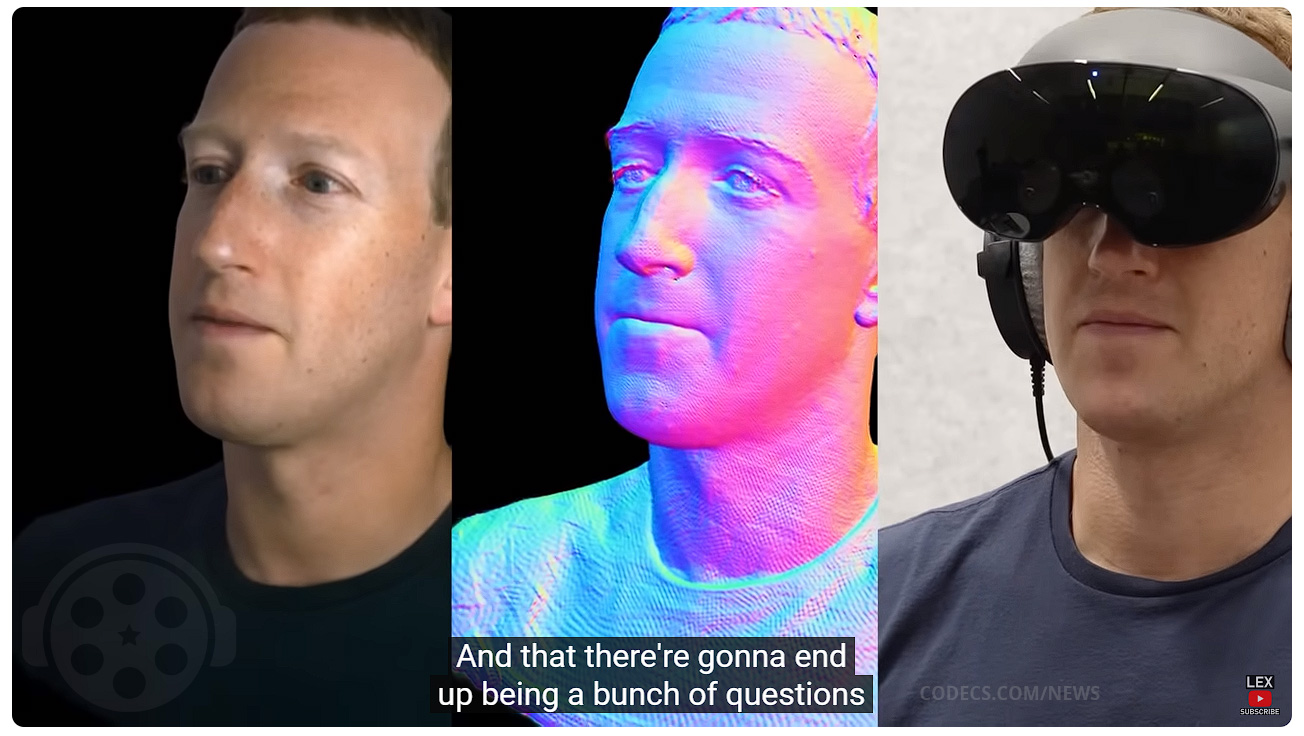
These avatars, as explored in a conversation between Mark Zuckerberg and Lex Fridman, bring a pragmatic approach to enhancing virtual interactions.
Utilizing advanced compression algorithms and artificial intelligence, Pixel Codec Avatars offer a more detailed and realistic representation of users in the digital realm. Mark Zuckerberg, during his conversation with Lex Fridman, highlighted the technology's potential.
The emphasis was placed on ensuring a balance between realism and efficiency, ensuring lifelike avatars don't compromise the performance of virtual environments.
One of the key advantages of Pixel Codec Avatars is their ability to overcome the uncanny valley, providing a more natural and relatable user experience.
The discussion between Zuckerberg and Fridman also touched upon ethical considerations, such as privacy and consent, underlining the need for responsible implementation of this technology in the Metaverse.
In essence, Pixel Codec Avatars signify a step forward in how we perceive and engage with the digital world.
The conversation between tech leaders offered valuable insights into the practical applications of this technology and the ethical challenges it brings.
As this technology continues to evolve, it may indeed reshape our virtual interactions, albeit with careful consideration of ethical implications.
See Mark Zuckerberg: First Interview in the Metaverse | Lex Fridman Podcast #398 below:



Latest reviews
AllHow to Stream With VLC: Open a Stream URL or Send Your Own
5/5This is amazing! I could no longer afford cable so I cut the cord and started watching Hulu, Youtube, ...
Don't Open a .xmpeg File Before Reading This
3/5It's never a good sign when the potential malware you downloaded has the EXACT same filename as the example. ...
Free Popular IPTV Playlist: Where to Get Fresh, Legal M3U Li...
3/5How can you create a DSTV channels on IPTV?